




The complete guide
A closer look at the Science Kit for Kids



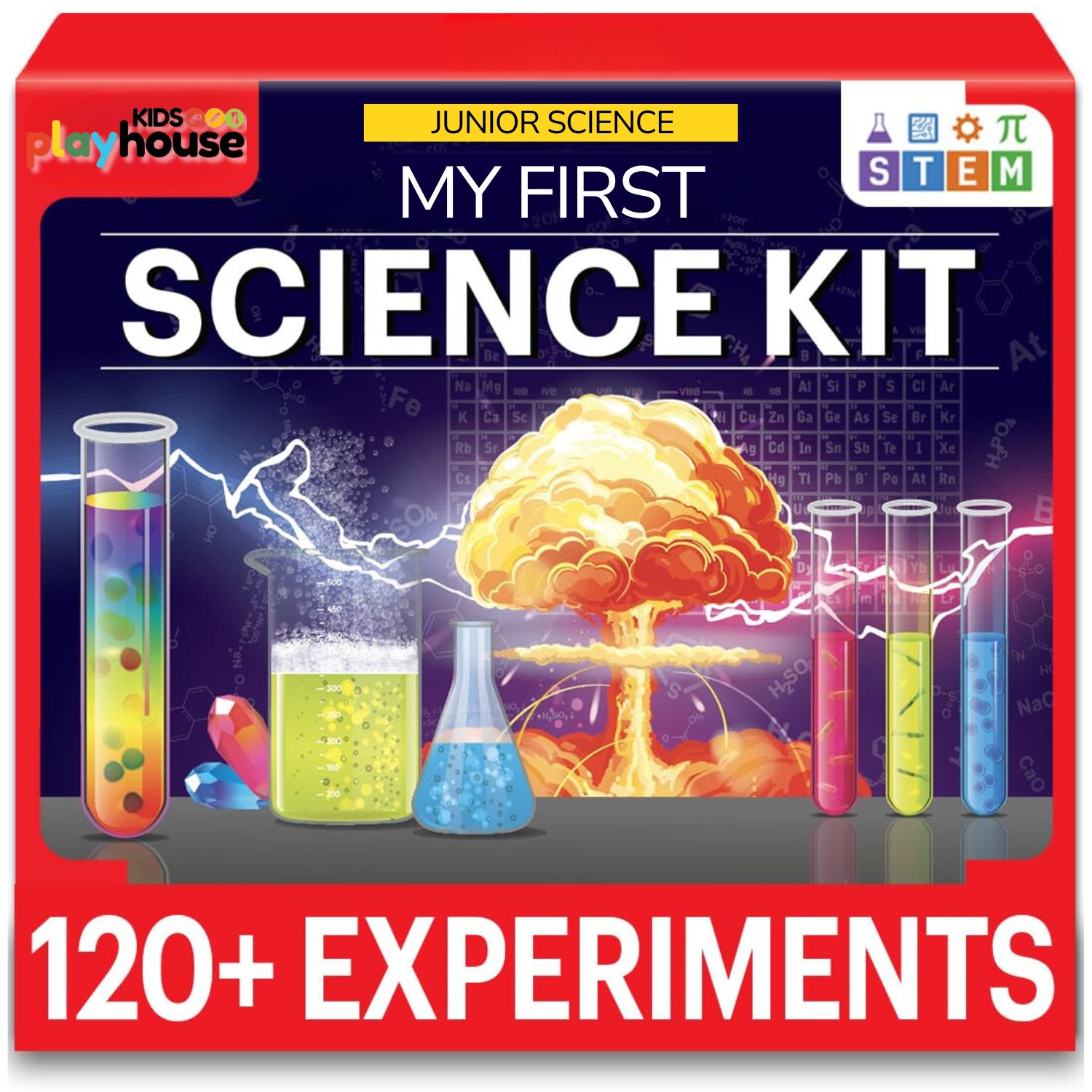
Sparking Curiosity: The Magic of Science Kits for Kids
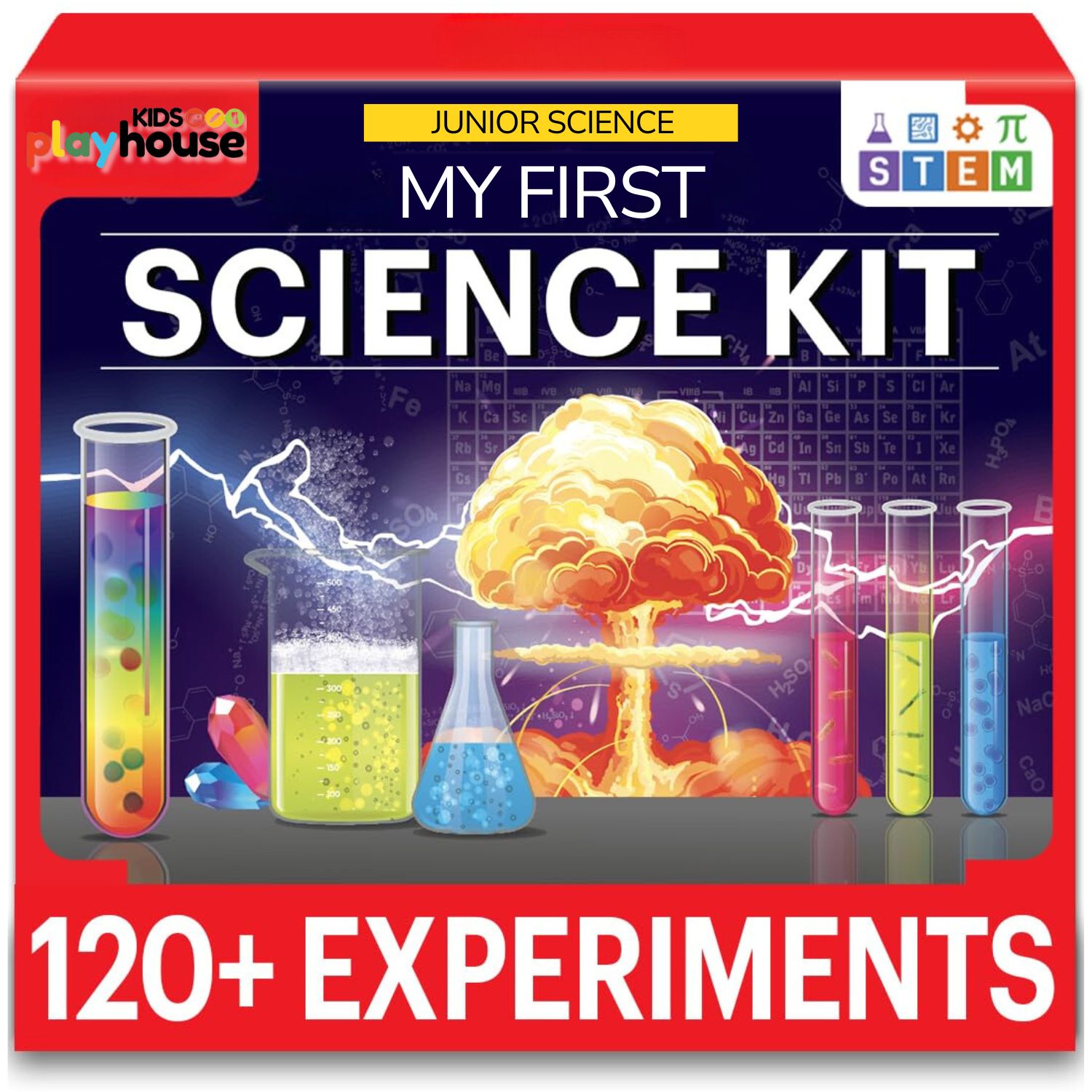
Learning through hands-on exploration is a cornerstone of a child's educational journey. Science kits for kids, often referred to as Children's Science Lab Experiments or Scientific STEM Educational Learning Sets, play a crucial role in fostering a love for science and learning at a young age. In this blog post, we'll uncover the wonders of science kits, their educational value, and how they ignite curiosity in young minds.
1. Unwrapping the World of Science Kits for Kids:
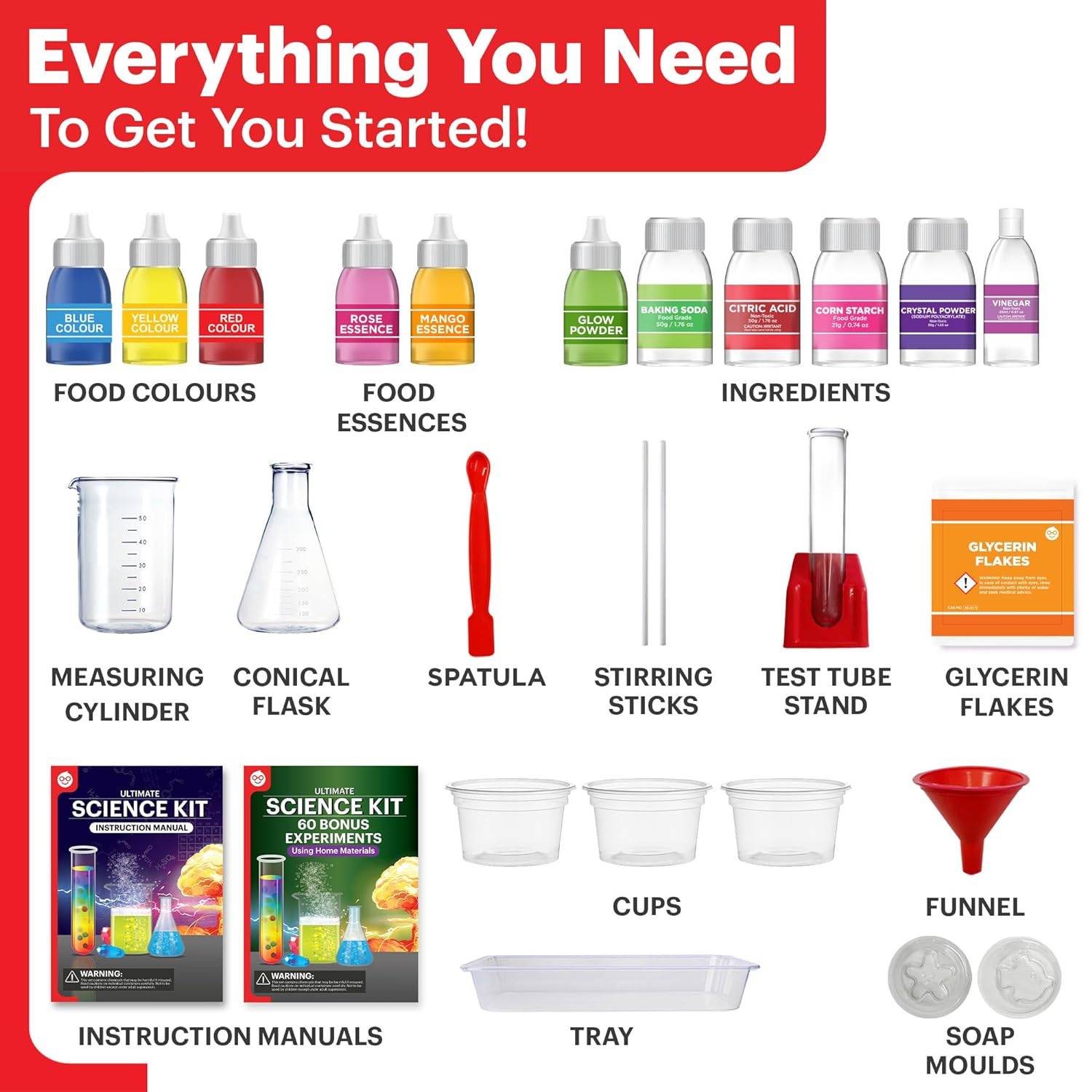
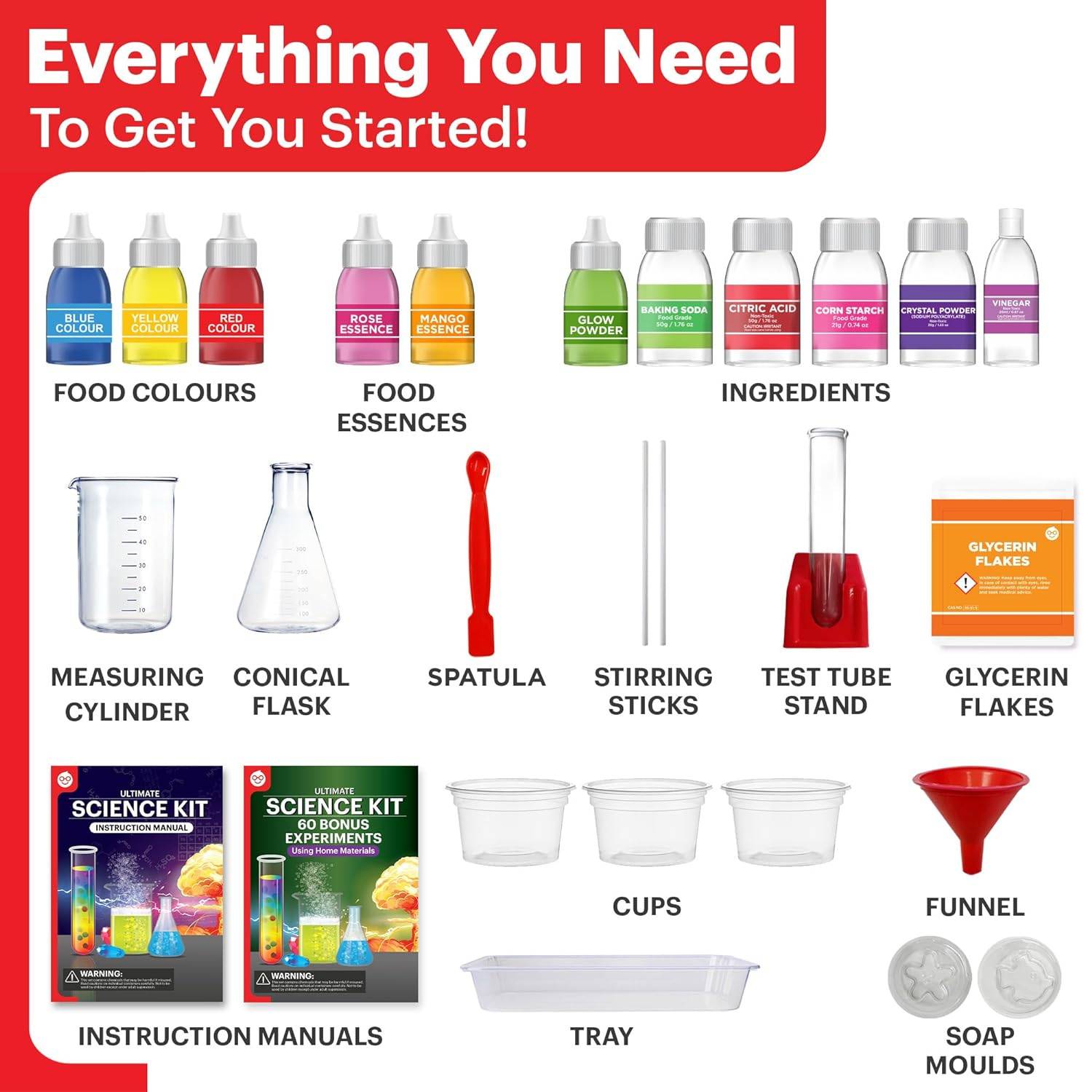
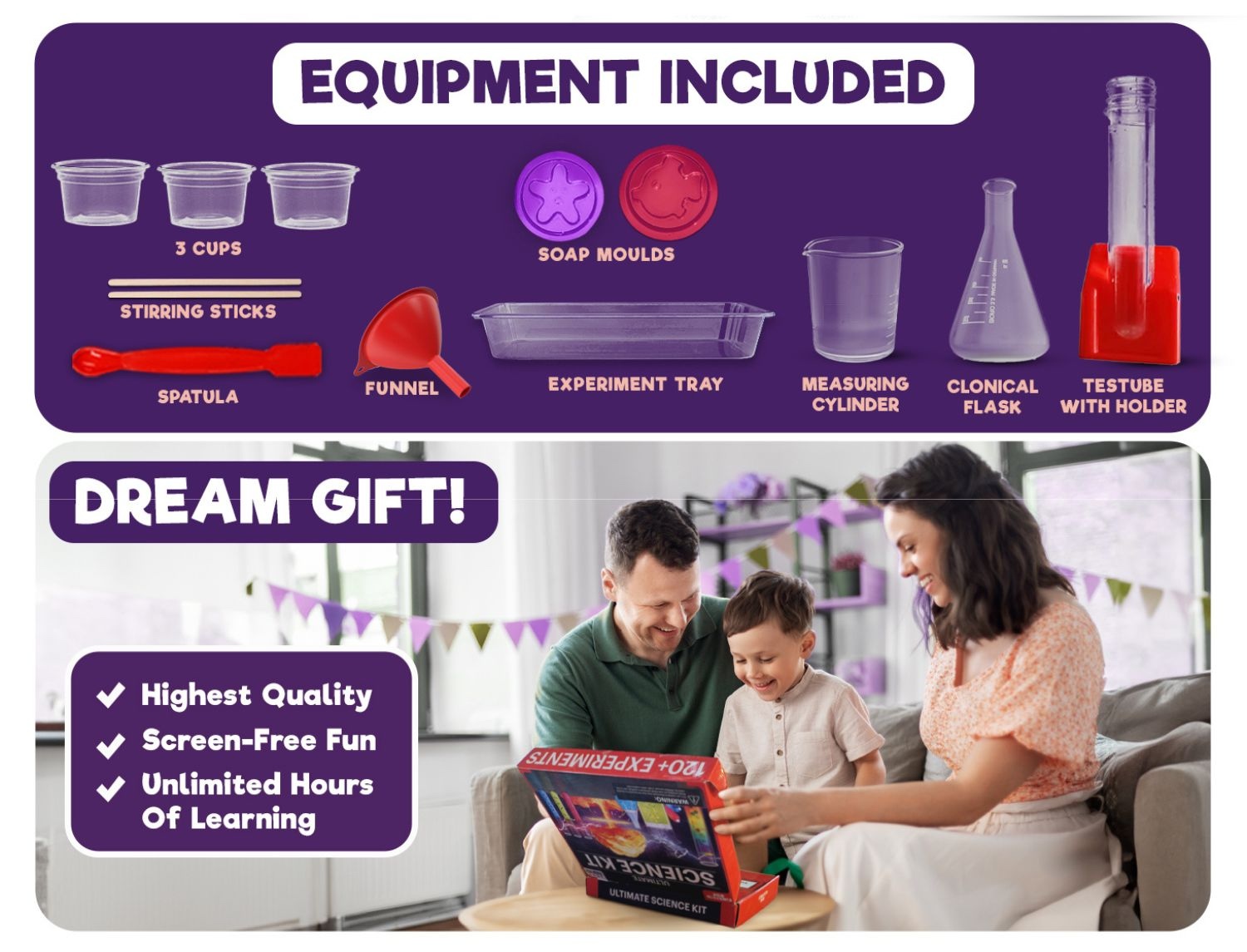
Science kits for kids are specially designed sets that include a range of materials, tools, and experiments to facilitate hands-on learning. These kits cover various scientific disciplines, from chemistry to physics, and are tailored to different age groups.
2. The Educational Significance of Science Kits:
a. Hands-on Learning: Science kits provide children with the opportunity to conduct experiments and explore scientific concepts through practical experience.
b. Curiosity Ignition: These kits pique children's interest in science by presenting fascinating and interactive experiments.
c. Critical Thinking: Encouraging kids to ask questions, make observations, and draw conclusions promotes critical thinking skills.
d. STEM Skills: Science kits nurture skills in science, technology, engineering, and mathematics, helping children excel in these important fields.
e. Real-world Application: These kits often showcase how scientific principles apply to everyday life, making learning relatable and exciting.
3. Types of Children’s Science Lab Experiments:
Science kits come in a variety of forms, each offering a unique learning experience:
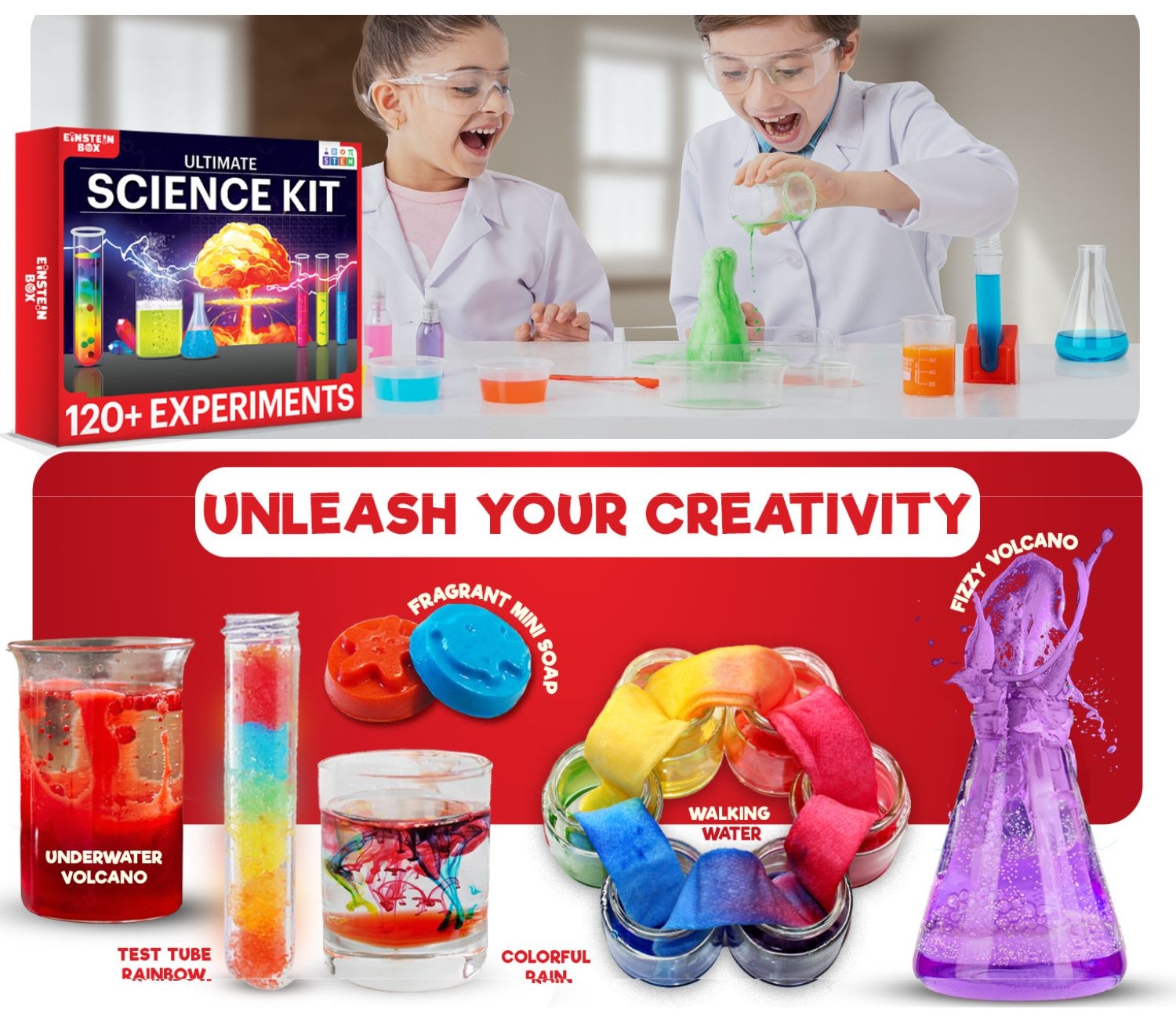
a. Chemistry Kits: These explore the world of molecules, reactions, and colorful chemistry experiments.
b. Physics Kits: Physics kits introduce kids to the fundamental principles of motion, energy, and simple machines.
c. Microscope Kits: Designed for young scientists, these kits provide the opportunity to explore the microscopic world.
d. Electronics Kits: Ideal for budding engineers, these kits teach kids about circuits, conductivity, and basic electronics.
e. Astronomy Kits: These kits take kids on a journey through the cosmos, teaching them about the stars, planets, and beyond.
4. How to Choose the Right Scientific STEM Educational Learning Set:
Selecting the perfect science kit for your child involves considering a few key factors:
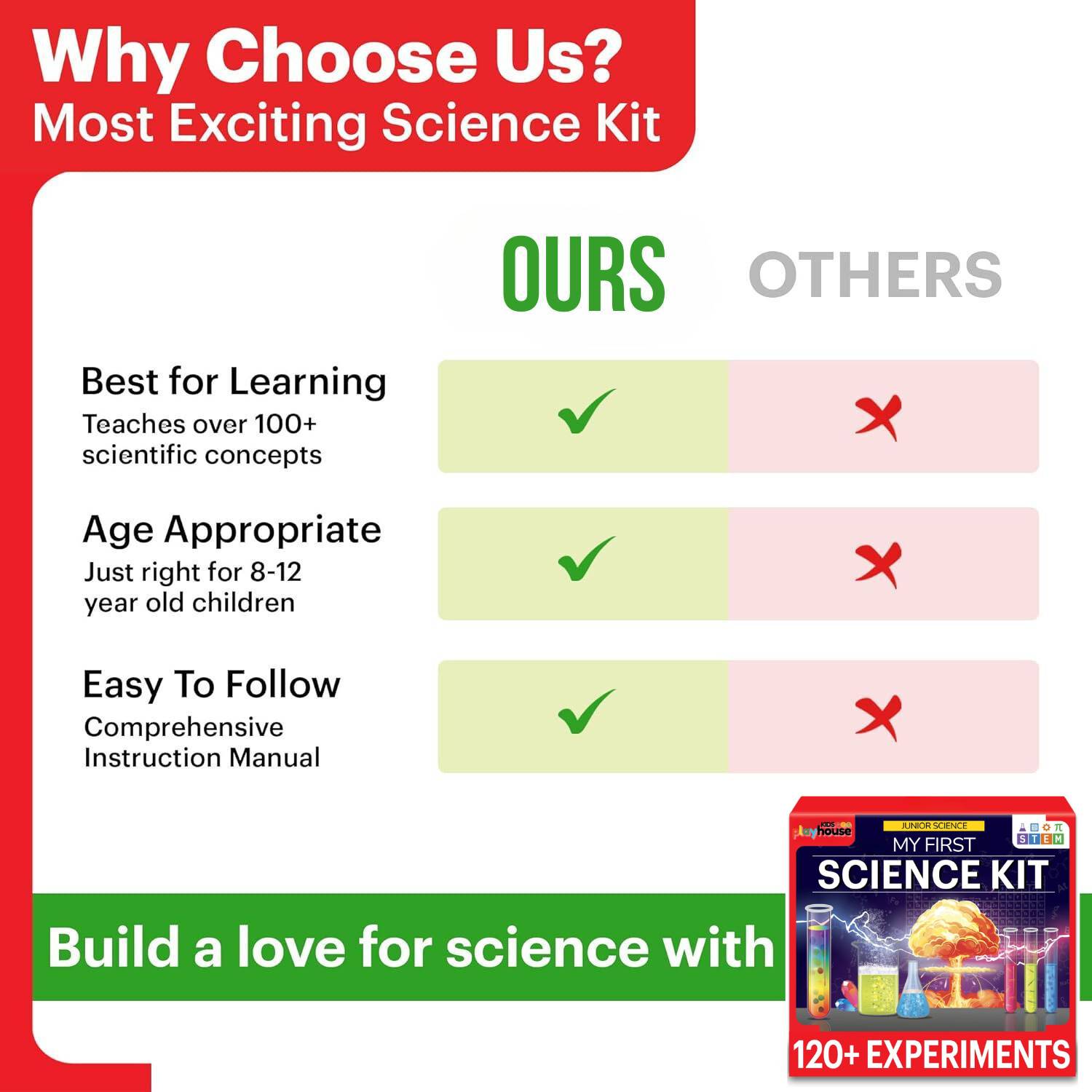
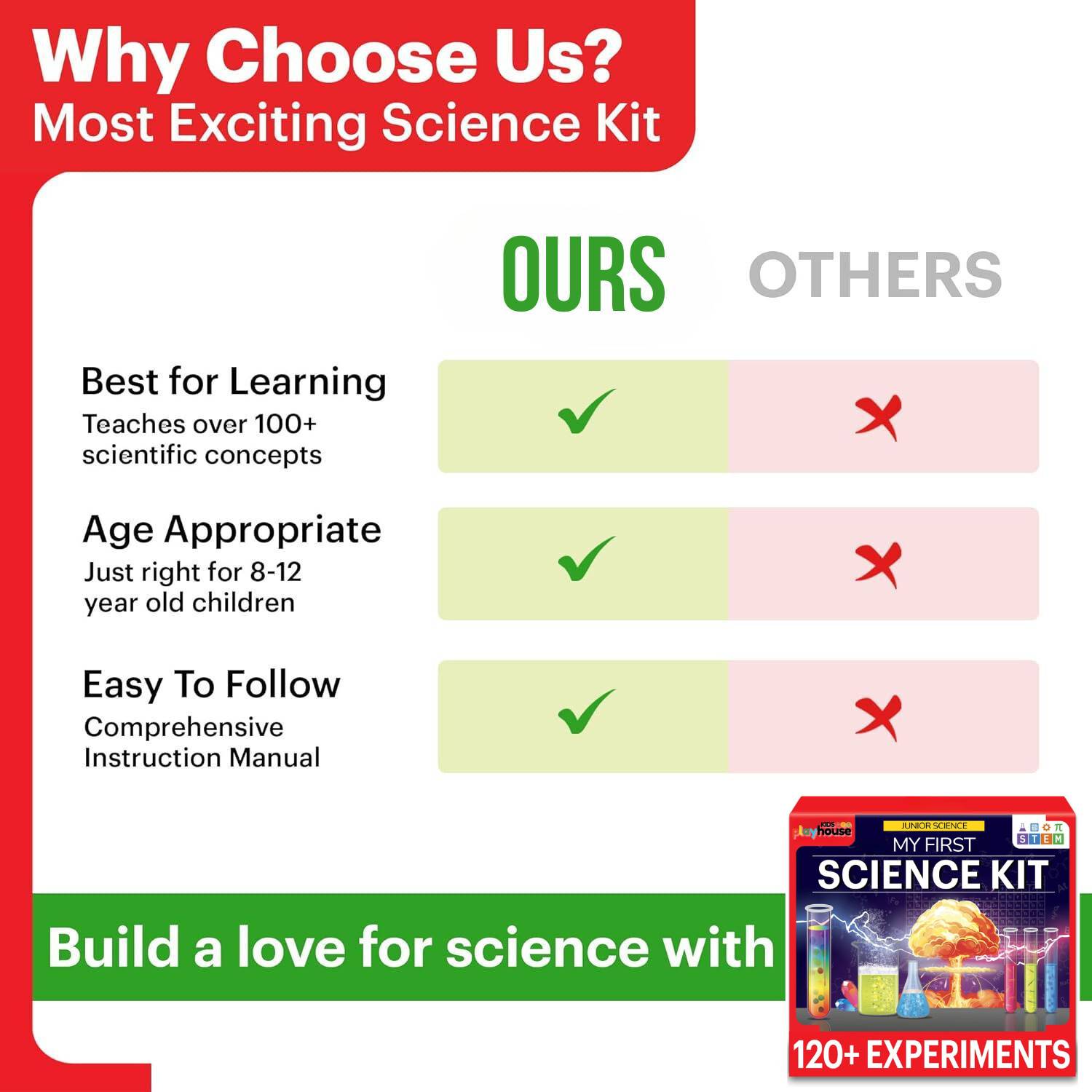
a. Age-Appropriateness: Ensure the kit matches your child's age and skill level.
b. Area of Interest: Consider your child's interests, whether it's chemistry, astronomy, or electronics.
c. Experiment Variety: Look for kits that offer a range of experiments to keep learning exciting.
d. Safety: Check the age guidance and supervision advice, especially for younger children.
e. Educational Value: Read reviews and descriptions to ensure the kit aligns with your educational goals.
5. Conclusion: Unleashing Young Scientists
Science kits for kids, whether known as Children's Science Lab Experiments or Scientific STEM Educational Learning Sets, hold the power to inspire a lifelong love of learning. These kits nurture curiosity, critical thinking, and STEM skills in young minds, setting them on a path to become the scientists and innovators of the future. So, unwrap the world of science for your child, and watch their eyes light up with the joy of discovery. Who knows what extraordinary scientific adventures lie ahead?