
Kids Playhouse Company
Shop by category
Company
T&Cs
Shop Online
  • Playhouses, play tents, swings and learning toys
  • Free delivery across Canada on orders of $75 or more
  • Delivered within 7 working days of dispatch
  • Secure checkout by card or PayPal

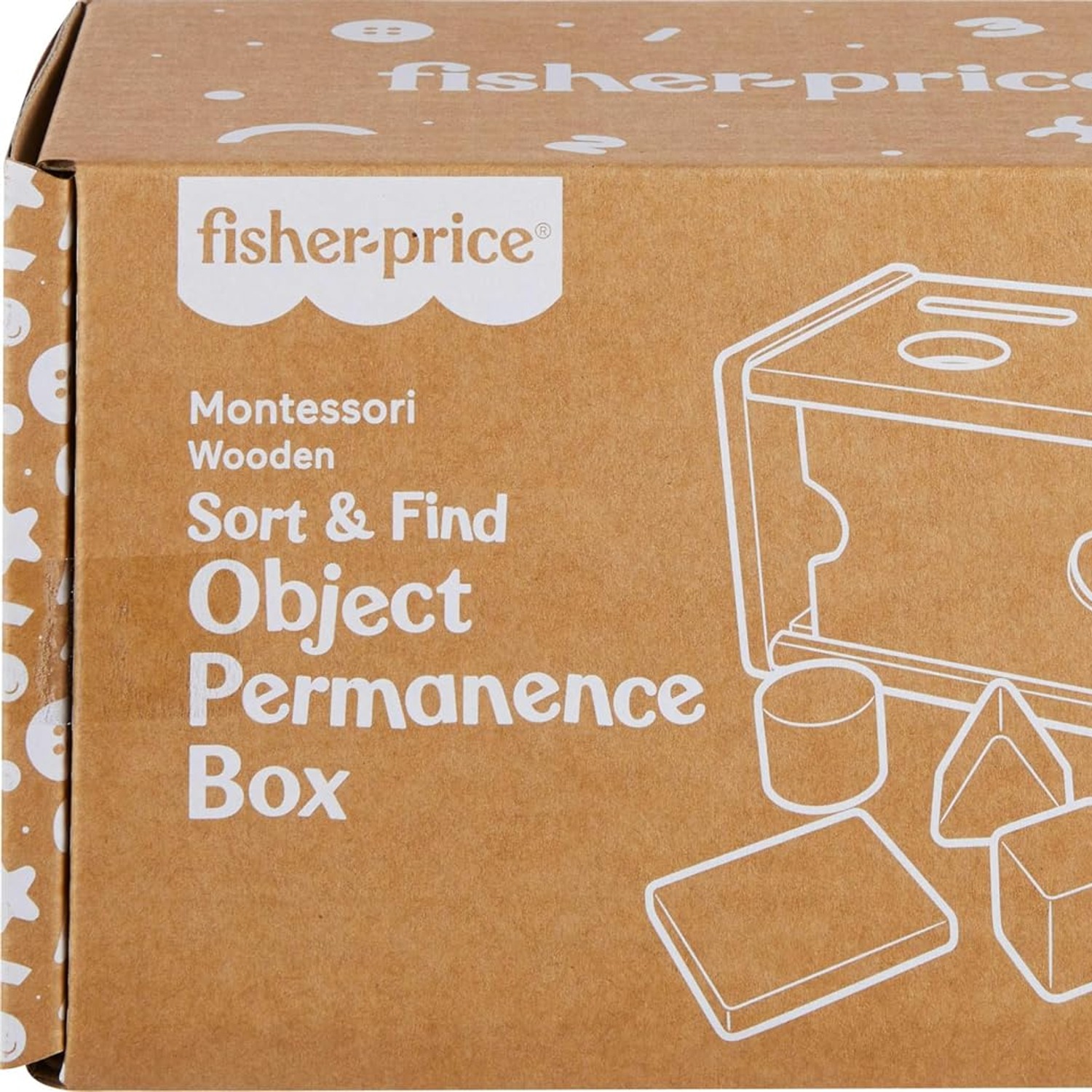
Object Permanence Box | Wooden Ball Drop Toy | Montessori Baby Learning Box

Object Permanence Box

$53.99 $64.99 Save $11.00
3.2/5 Based on 1 company review
  • Hide And Find
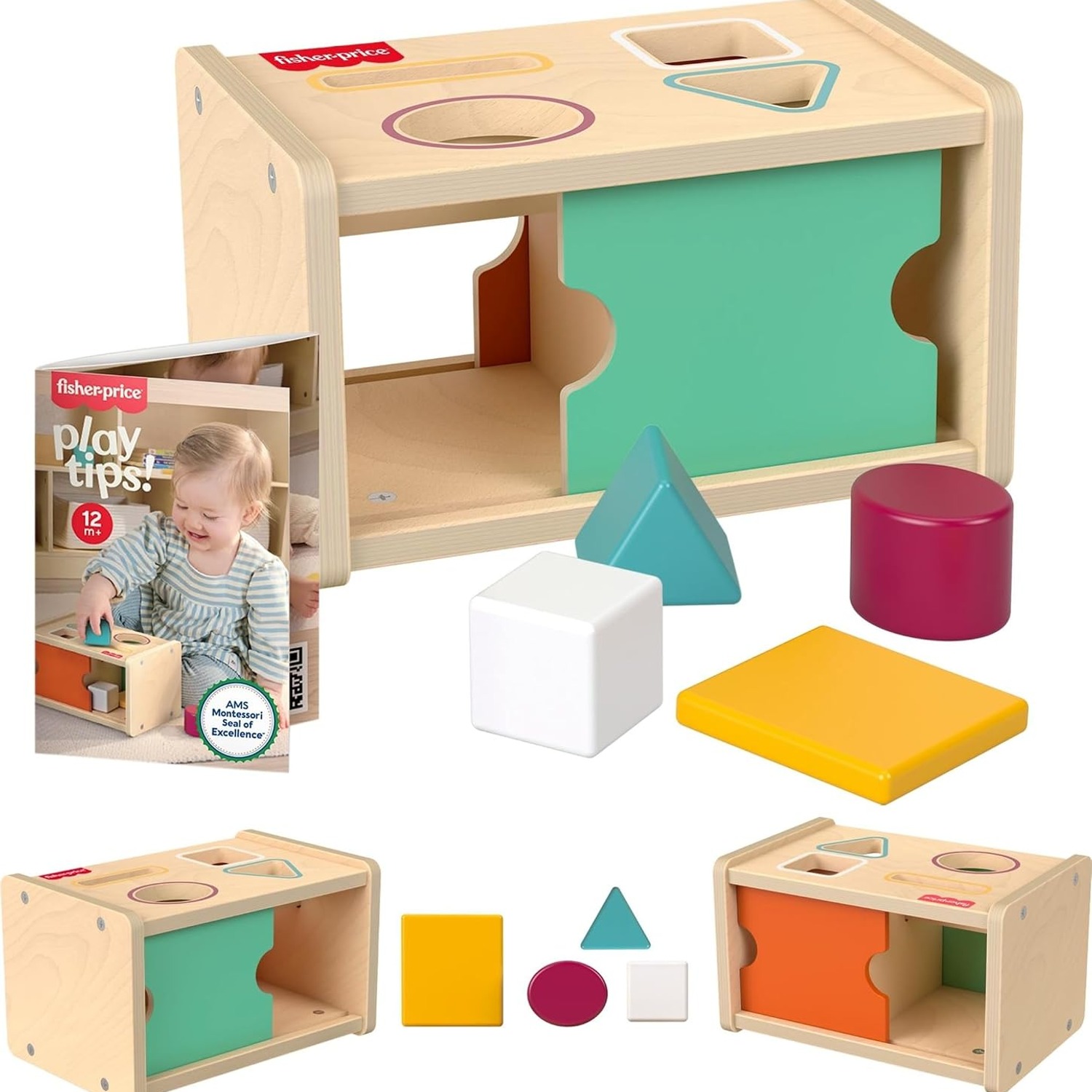
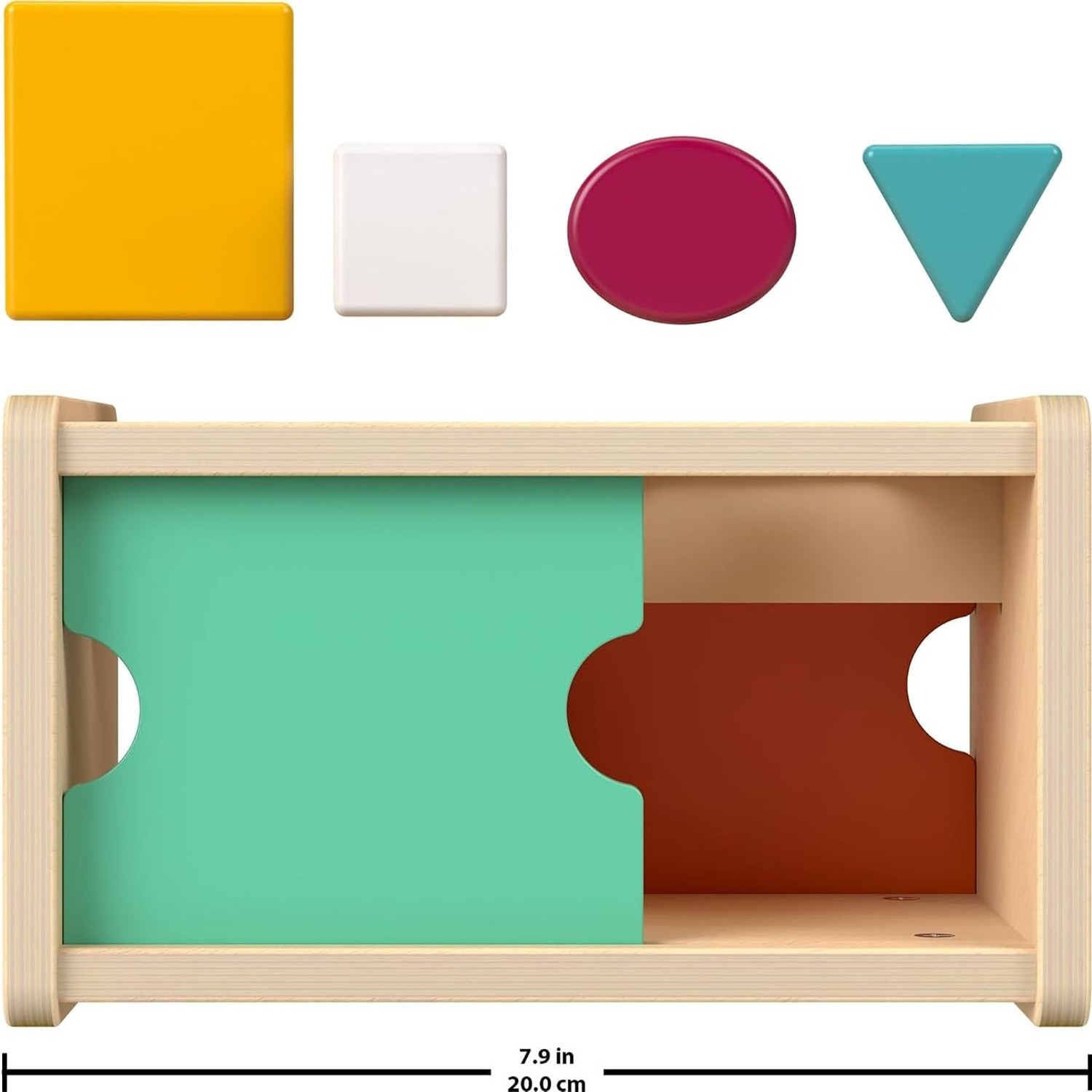
  • Four Sorting Shapes
  • Child Powered Play
  • Guided Play Ideas

Price: $53.99 $64.99

  • Delivery time: up to 7 working days by tracked courier, after dispatch within 2 working days
  • Free delivery across Canada on orders $75+; below that, express shipping $22
  • Pay by card or PayPal, handled by the payment provider
  • Check the dimensions, contents and setup requirements before ordering. Our returns policy explains eligibility, time limits and applicable fees. Contact us if you need help choosing.

Product specifications
Recommended Age12 months and up
Included Pieces1 box and 4 shapes
Material Listed In Product DetailsWood
Colour Listed In Product DetailsMulticolor
Dimensions13 x 20 x 11.2 cm
Weight450 g
OperationManual, no batteries needed
UseIndoor
Assembly RequiredNo
Learning FocusObject permanence, shape recognition and hand-eye coordination
Play GuidanceIncludes expert play tips
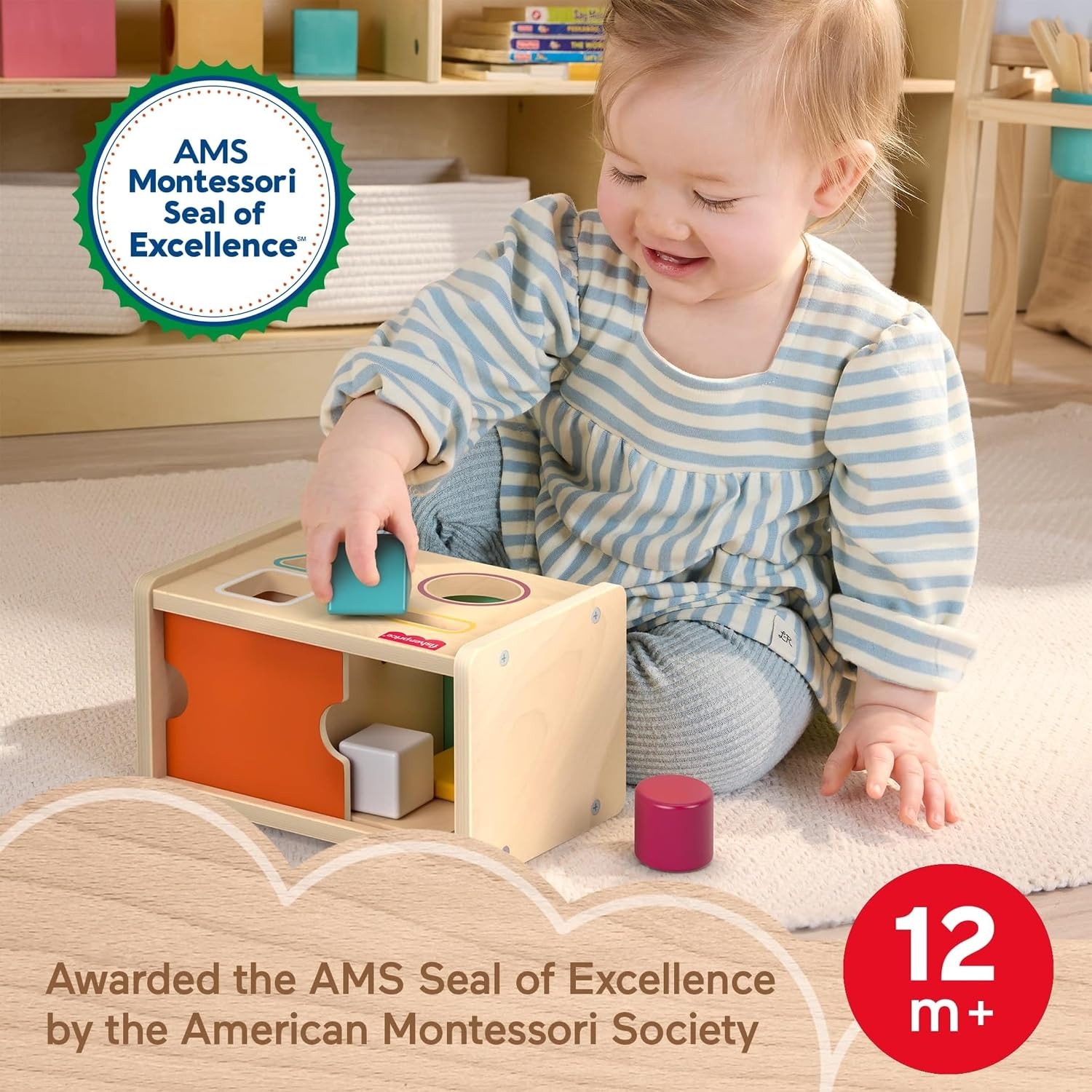
Montessori RecognitionAmerican Montessori Society Seal of Excellence, awarded in 2025
Manufacturer WarrantyNo Warranty
Weight450 g
Shipping & returns

Tracked delivery across Canada. Standard delivery is free on orders of $75 or more; below that, and on request above it, express shipping is $22. Allow up to 7 working days by tracked courier, after dispatch within 2 working days.

Our own policy allows returns within 15 days of purchase in the original packaging. A 12.5% fee applies to cancellations, and change-of-mind returns keep $29 per order for packing and handling, with return postage paid by the buyer. Your rights under your province's consumer protection legislation are not affected.

If your item arrives damaged, incomplete or different from your order, contact our support team promptly. Read the full policy before returning an item.

Shipping details · Refunds and returns

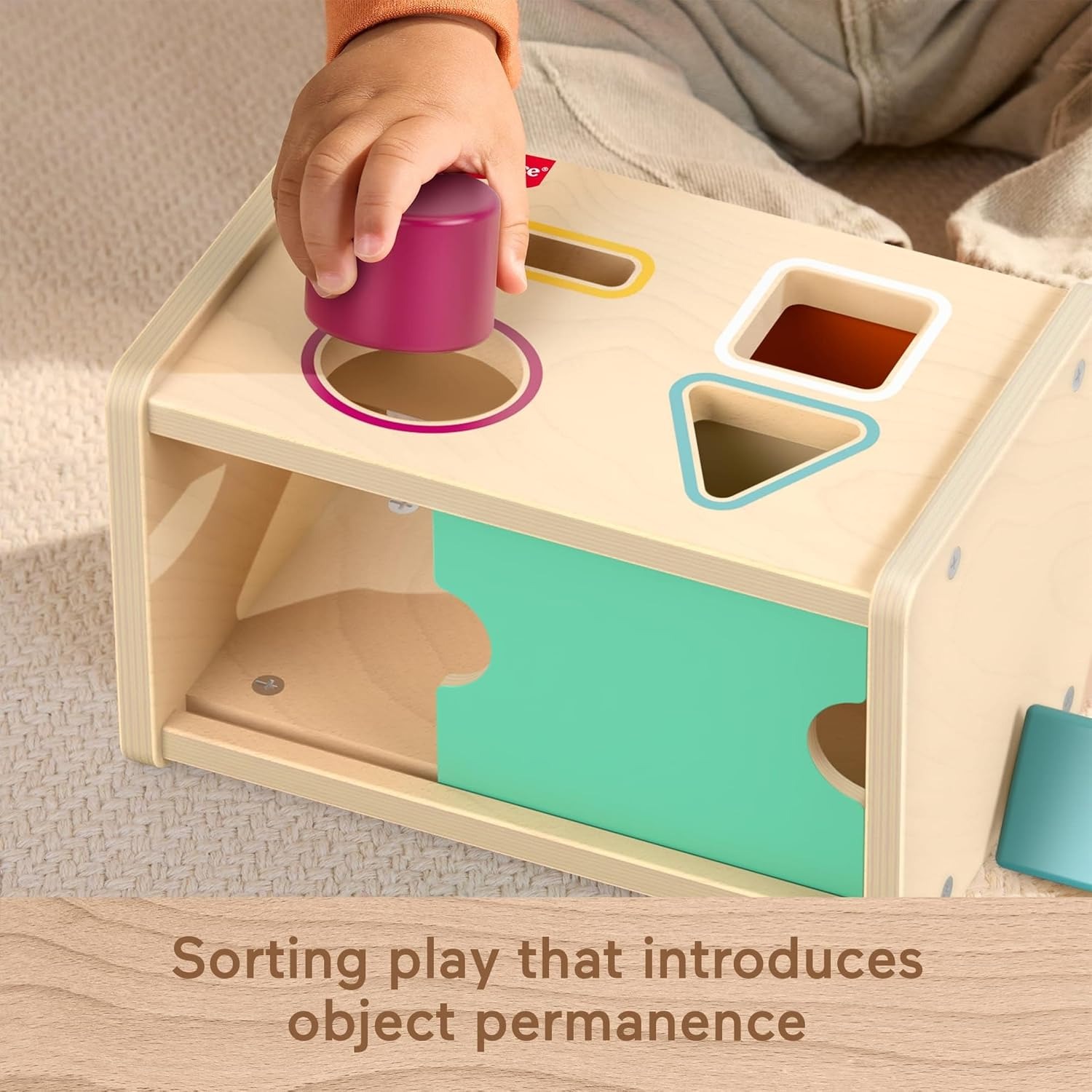
Hide And FindSliding doors let toddlers look for shapes after they disappear inside.
Four Sorting ShapesMatching shapes to slots gives small hands a clear task to practise.
Child Powered PlayManual operation means there are no batteries to replace.
Guided Play IdeasIncluded expert tips help adults introduce the sorting and finding activities.

Make small discoveries part of everyday play with an Object Permanence Box.

Four shapes and two sliding doors give toddlers a hands-on way to practise sorting, finding and hand-eye coordination.

Give toddlers aged 12 months and up a hands-on way to explore where hidden objects go.

Four included shapes offer repeated practice with matching and hand-eye coordination.

Sliding doors on either side let children find the pieces they have posted into the box.

Battery-free operation keeps the action in your child's hands.

Included play lab tips offer ideas for shared play.

Object Permanence Box

The Wooden Sort & Find Object Permanence Box gives toddlers a simple sequence to explore. Choose a shape, find the matching slot and post it inside. Opening a sliding door reveals the shape again, turning an everyday game of hiding and finding into hands-on learning.

Object Permanence Box

Designed for children aged 12 months and up, the set includes one box and four shapes. Sorting offers practice with shape recognition and hand-eye coordination. Finding the pieces again introduces object permanence, the idea that something still exists when it is out of sight.

Object Permanence Box

Sliding doors on either side give children different ways to look inside. Adults can show the action slowly, then leave room for the child to try. The included play lab tip card offers further guidance for shared play.

Object Permanence Box

The product details list wood construction and a multicolour finish. The toy measures 13 x 20 x 11.2 cm and weighs 450 g. It is intended for indoor use, needs no assembly and works manually without batteries.

Object Permanence Box

This toy received the American Montessori Society Seal of Excellence in 2025. Its sorting and finding activities provide a focused option for families seeking a Montessori-style toddler toy, without requiring a powered setup or a large collection of separate pieces.

What do our customers say?

Feedback about the Kids Playhouse company across its regional stores.

3.2 Based on 1 reviews Trustpilot

Excerpt from 1 company-wide review. See the live profile on Trustpilot.

Not sure yet? That is fine.

Check the dimensions, contents and setup requirements before ordering. Our returns policy explains eligibility, time limits and applicable fees. Contact us if you need help choosing.

Frequently Asked Questions

What is an object permanence box?

An object permanence box lets a child put an object out of sight and find it again. This model combines that hiding-and-finding activity with four sorting shapes.

How does this toy work?

Your child places a shape into its matching slot, then opens a sliding door to find it inside. The doors are on either side of the box.

What age is it suitable for?

The manufacturer recommends 12 months and up. Follow the age guidance and supervise play, taking your child's individual abilities into account.

What comes in the set?

The set includes one box and four shapes. Expert play tips are also included.

Is this a wooden ball drop toy?

This is a shape-sorting and finding box, rather than a confirmed single-ball drop set. The supplied details list four shapes but do not identify every shape or confirm that a ball is included.

What are its dimensions?

The listed dimensions are 13 cm long, 20 cm wide and 11.2 cm high. Compare these measurements with your intended play and storage space.

How much does it weigh?

The listed weight is 450 g. The record does not provide separate weights for the box and individual shapes.

What is it made from?

The product details list wood as the material. They also describe wood from Forest Stewardship Council-certified sources and non-toxic, water-based paints.

What colour is the toy?

The product details describe it as multicolour. The separate colour attribute is blank, and exact colours for each piece are not specified in the written record.

Does it need batteries?

No batteries are needed. This battery-free toddler toy works through your child's own sorting and door-sliding actions.

Does it need assembly?

The product details state that assembly is not required. Check the included instructions and inspect the pieces before the first play session.

Can it be used outdoors?

It is listed for indoor use. Choose a dry indoor play area and store it indoors after use.

What does object permanence mean?

Object permanence is the understanding that an object still exists when it cannot be seen. This toddler object permanence toy gives children a way to explore that idea by hiding and finding the shapes.

Does it help with shape recognition?

Shape recognition is one of its stated learning goals. Matching a piece with a slot gives children repeated chances to compare forms.

How does it support hand-eye coordination?

Children look at a slot and guide a shape towards it with their hands. This hand-eye coordination toy offers practice with that action, without promising a particular rate of progress.

Is it a Montessori toy?

This model received the American Montessori Society Seal of Excellence in 2025. Its sorting and finding activities make it an option for families looking for a Montessori toy for one year old children.

Are play instructions included?

An expert play-tip card is included. Use it alongside any supplied product instructions and safety guidance.

How should I introduce it?

Start by showing one shape going into the matching slot, then open a door to reveal it. Pause and let your child explore before offering another demonstration.

Should I offer all four shapes at once?

You can begin with one shape to keep the activity simple. Add more pieces as your child becomes interested in comparing and sorting them.

Can an adult join in?

Yes, an adult can demonstrate the sorting action and help the child look for the hidden piece. Keep shared play relaxed and give the child time to try.

Is it suitable for independent play?

Children can explore its manual actions at their own pace, with adult supervision. Independent exploration does not mean leaving a young child unattended.

How do I clean it?

Follow the care instructions supplied with the toy. For routine cleaning, use a lightly dampened soft cloth, dry promptly and avoid soaking the wooden parts.

What should I check before play?

Check the box, doors and all four shapes for damage. Remove the toy from use if you find a broken part or anything that could make play unsafe.

Is it easy to store?

Its listed dimensions help you judge whether it will fit your shelf or cupboard. Keep the four shapes with the box and store the set in a dry indoor place.

Would it make a first birthday learning gift?

Its recommended age starts at 12 months, so it may suit a first birthday learning gift. Check with the caregiver about the child's interests and any similar toys they already own.

Is this the right wooden shape sorter for every toddler?

No single toy suits every child. Consider whether the child enjoys posting objects, opening doors and repeating small hands-on tasks.

When will it be delivered?

Delivery timing depends on the destination and the current shipping options. Check the delivery information at checkout, as no fixed lead time is specified in this record.

What is the returns policy?

Check the storefront's current returns policy before ordering. This product record does not specify a return window or eligibility conditions.

Does it come with a warranty?

The supplier's manufacturer warranty field states No Warranty. This does not replace any rights that may apply under local consumer law.

What if it is not right for my child?

Stop the activity if your child is frustrated or not interested, and consider trying again another time. If you need to return the product, contact the store and check its current returns conditions.

Choosing an Object Permanence Box for Your Toddler

6 min read Kids Playhouse Company

When hiding something becomes part of the fun

A toddler posts a toy into a container, looks inside, then wants to do it again. That small routine can hold their attention more than an activity with lots of steps. The action is clear, and there is something to find at the end.

An object permanence box gives that interest a place to go. A piece disappears into the box, but it has not gone away. Opening a door brings it back into view.

The Wooden Sort & Find Object Permanence Box adds shape matching to this familiar game. It includes four shapes and a box with sliding doors on either side. For a child who likes putting things in and taking them out, it offers a focused indoor toddler activity.

It is designed for ages 12 months and up. That is the starting point for choosing it, rather than a promise that every one-year-old will use it in the same way.

How the sorting and finding activity works

The basic sequence is easy to show. Pick up a shape, match it to the correct slot and place it inside. Then slide a door open to find it again.

There are two parts to the activity. Matching asks the child to look at the piece and the opening. Finding asks them to look for something that is no longer visible. Both can happen in one short play session, but there is no need to teach both at once.

A child may first be more interested in opening and closing the doors. Another may want to repeat the posting action with your help. Let that interest guide where you begin.

This is a manual sort and find toy. No batteries are needed, and no assembly is required. The child supplies the movement, while an adult can help with a slow demonstration when needed.

What object permanence means in everyday play

Object permanence means understanding that something still exists even when it is out of sight. You do not need a formal lesson to bring that idea into play.

With this box, the shape goes inside and can be found through a sliding door. The missing object has a clear place to return from. That makes the box useful for a simple round of “Where did it go?” followed by a chance to look.

Keep your language short. You might name the shape, watch it disappear and invite your child to find it. Then pause. The pause gives them room to respond rather than watching an adult do every step.

A peekaboo learning toy is not a test of development. Enjoying the doors, watching your demonstration or repeating just one action can all be part of exploring it.

Shape matching gives hands a separate task

This wooden shape sorter also has a practical matching element. The child must bring a piece towards a slot and work out how it fits.

That action offers practice with hand-eye coordination, one of the toy's stated learning goals. It also gives a reason to look closely at shapes rather than only carrying or dropping them.

Try to resist correcting every attempt straight away. If your child is comfortable, allow a little time to turn the piece and try again. If they become frustrated, show the action or simplify the activity.

For toddler fine motor play, the point is the chance to handle and move the pieces. There is no need to count successful turns or expect a particular result after a set number of sessions.

Who this box is likely to suit

The manufacturer's age recommendation is 12 months and up. Within that range, interests and confidence will vary.

This toy is worth considering for a toddler who enjoys posting objects, opening small doors or looking for hidden things. It may also appeal to families who want a battery-free toddler toy for shared floor play.

The set has one box and four shapes. That gives you a defined group of pieces to bring out and put away, rather than a large assortment to sort through before starting.

It is listed for indoor use. Choose a clear, dry area where the child can reach the box comfortably, and supervise the activity. Keep other small objects out of the play space so the included pieces are easy to track.

Understanding the Montessori connection

Families searching for a Montessori sorting box often want a hands-on task with a clear action and result. Here, a shape is matched and posted, then found again.

This model received the American Montessori Society Seal of Excellence in 2025. That is a specific recognition stated in the product information, rather than just a style label added to the name.

At home, you can keep the approach simple. Show a small action slowly, give the child a turn and avoid making every moment an instruction. The included play lab tip card provides further play ideas.

You do not need to recreate a classroom or buy a whole set of matching activities. Start with what your child wants to explore and use the supplied guidance when it is helpful.

Check the contents, not just the search phrase

Toy names can overlap. A search for a wooden ball drop toy may show both single-ball posting toys and boxes with several sorting pieces.

This record lists one box and four shapes. It does not name each shape or confirm that a ball is included. If you specifically want a ball-and-tray activity, do not assume this set has that layout.

The defining feature here is the combination of shape slots and sliding doors. Compare that with the action you want your child to explore.

Looking closely at the listed contents helps avoid a gift that is similar to what you wanted but not quite right. It also makes comparisons between different toddler learning toys more useful.

Size, materials and practical details

The listed dimensions are 13 cm long, 20 cm wide and 11.2 cm high. Weight is 450 g. Use those measurements to check your play area and storage space rather than judging size from a product photograph alone.

The detailed specifications list wood and a multicolour finish. The supplier also describes wood from Forest Stewardship Council-certified sources and non-toxic, water-based paints.

Those details do not remove the need for normal care and inspection. Check the condition of the box and shapes before use, and follow the supplied safety instructions.

Country of origin is not specified in this record. If that detail affects your purchase, ask for confirmation rather than making an assumption from the brand name.

Start small and keep the pace relaxed

For a first session, place the box within comfortable reach and offer one shape. Show where it goes, then slide a door open to find it.

After that, wait. Your child may copy the action, reach for the door or pick up the piece for a closer look. You can respond to what they do without turning it into a lesson plan.

When one shape feels familiar, offer another. Adding pieces gradually can make the choices easier to follow. All four do not have to be in use from the start.

If interest fades, put the activity away. A short, pleasant session is enough. The toy can come back another day without pressure to finish a task or master every slot.

Care and storage between sessions

Follow any cleaning directions supplied with the toy. For general surface care, a soft cloth lightly dampened with water is a sensible starting point. Dry the parts promptly and avoid soaking them.

Check the doors and shapes for damage before play. If a piece is broken or the toy no longer works as intended, stop using it until you have suitable advice.

After the session, gather all four shapes and store them with the box in a dry indoor place. A quick piece count makes the next setup easier and helps you notice anything missing.

Do not assume the wooden components are suitable for a dishwasher, prolonged water exposure or strong cleaning products. Those methods are not supported by the supplied record.

Buying it as a gift

As a first birthday learning gift, the box matches the manufacturer's starting age of 12 months. Still, check with the caregiver before buying. They may already have a shape recognition toy or know that the child currently prefers a different kind of play.

Consider the practical side too. The listed measurements help the recipient judge storage, while the absence of batteries means there are none to buy for setup.

Review delivery information at checkout, especially if you need it for a particular date. This record does not give a fixed shipping lead time. Read the storefront's returns policy as well, rather than assuming that every gift can be returned under the same conditions.

The short version

Choose this object permanence box if you want an indoor sorting-and-finding activity for a child aged 12 months or older. It combines four shapes, matching slots and sliding doors in a manually operated wooden toy.

Its value is in the repeatable action. Post a piece, look for it and try again. Start with a little help, follow your child's interest and leave plenty of room for discovery at their own pace.

Browse the shop

Ready for sorting and finding?

Check the age guidance, included pieces and dimensions to decide whether this box suits your child's next play session.

Ask us a question

Page summary

The Wooden Sort & Find Object Permanence Box is an indoor learning toy for children aged 12 months and up. It includes one box and four shapes. Children match shapes to slots, then use sliding doors on either side to find them again. Its stated learning goals are object permanence, shape recognition and hand-eye coordination. The product details list wood and a multicolour finish, although the separate material and colour attribute fields are blank. Dimensions are 13 x 20 x 11.2 cm and weight is 450 g. No assembly or batteries are needed. Expert play tips are included. The toy received the American Montessori Society Seal of Excellence in 2025. Country of origin is not specified.